
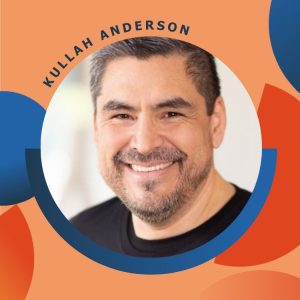
Mentoring is often described as a cornerstone of professional growth, yet finding the right mentor or being one can be surprisingly tricky. Kullah Anderson, originally from Alaska, USA, and now a long-time Finnish resident and a mentor for international students in the Future in Finland mentoring program, knows firsthand how many relationships start with good intentions but can easily fade without structure or clarity.
That’s why formal mentoring programs matter: they create a framework where both mentor and mentee commit to a shared journey. Mentorship isn’t just about guiding someone else; it’s also about learning, exchanging perspectives, and growing together.
Why Mentoring Matters
Kullah has also sought mentorship for himself in the past, but finding a lasting one proved challenging.
– I approached several people during my career, and while some relationships started well, they often faded over time. Structured programs solve this by defining expectations and timelines. Mentorship isn’t only for the mentee; it’s an opportunity for mentors to gain insights and develop as well.
Key Success Factors
For mentorship to succeed, Kullah Anderson’s three pillars are:
- Commitment: Both sides must understand expectations and be ready and willing to invest time.
- Clarity: Being clear about goals, communication styles, and desired outcomes, and most importantly, knowing what one wants.
- Collaborative Communication: Sharing openly, listening actively, and working together.
Cultural and Language Considerations
Mentoring across cultures requires sensitivity. A common language is crucial, but even shared languages can differ in nuance.
– Early check-ins help ensure mutual understanding. As an immigrant myself, I know language barriers can hinder trust and progress. Chemistry and shared interests also matter; they make interactions feel natural.
Challenges
Practical issues like scheduling can be pain points.
– I prefer structure, agendas, and documentation, but I don’t want to impose that on mentees. Another challenge is energy: sometimes conversations feel one-sided. I also wonder if mentees fully understand what mentoring is for, Kullah says.
Programs often advise mentors not to give direct advice.
– I personally believe that advice can be valuable when offered without ego and understood as optional. What worked for me may not work for others, describes Kullah.
Mentors need more support, too.
– Peer exchanges are helpful, but they often happen informally. A structured platform for mentor collaboration would make a big difference.
Tools and Methods
Kullah Anderson prefers organized processes: calendars, spreadsheets, and frameworks like:
- GROW (Goal, Reality, Options, What will you do): Useful for problem-solving and planning.
- SOAR (Situation, Objective, Action, Result): A variation of STAR for communicating achievements.
Information and Communication
According to Kullah, the issue isn’t information; it’s the connection. A shared platform (e.g., WhatsApp or Slack) for mentors could foster collaboration. Short AMA (Ask Me Anything) sessions on specific topics would also help, especially if written to reduce self-consciousness.
Impact on Integration
Can mentoring help people integrate and stay in Finland?
– Yes, if it respects individuality while introducing cultural touchpoints. For example, discussing concepts like Sisu-movies can reveal Finnish values without forcing assimilation.
Mentoring isn’t about guaranteeing jobs, Kullah Anderson underlines.
– It’s about managing expectations and helping mentees articulate goals beyond “I need a job.” Desperation can push people away. Instead, focus on building understanding of language, culture, and mindset, and networks.
Conclusion
Mentorship is more than a professional relationship; it’s a bridge between cultures, experiences, and aspirations. When done well, it fosters mutual growth, builds confidence, and helps individuals navigate unfamiliar environments without losing their identity.
For Finland, mentoring programs can play a vital role in integration, creating a society that values diversity while preserving its unique ethos.
According to Kullah, the key to successful mentoring lies in commitment, clarity, and collaboration — because when mentors and mentees truly connect, both sides win.
***
This article was written by Kaija Pohjala, a board member of Suomen Mentorit, who interviewed Kullah Anderson.